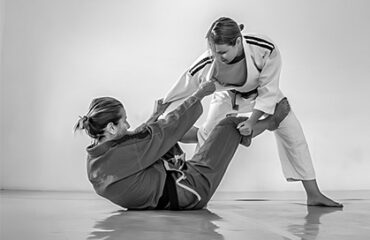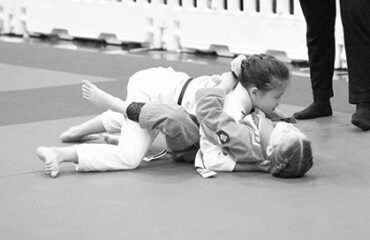
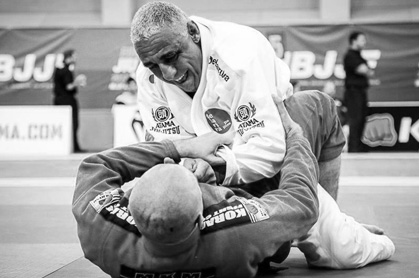
Age doesn’t have to mean vulnerability. Brazilian Jiu-Jitsu offers an adaptable, thoughtful approach to self-defense that keeps both body and mind active well into later years. For older adults, it’s one of the few martial arts that emphasizes strategy and efficiency over speed and strength.
1. Gentle Yet Effective Movement
BJJ is often called “the gentle art” because it allows practitioners to control situations through leverage and technique rather than brute force. Many moves can be modified to reduce strain on joints, and rolling (sparring) can be adjusted for intensity. This makes it ideal for older practitioners looking for safe, sustainable physical activity.
2. Balance, Mobility, and Fall Prevention
Training improves coordination, balance, and flexibility — all critical for maintaining independence and reducing fall risk. Learning how to safely break a fall or recover from the ground translates directly to real-life safety and confidence.
3. Mental Sharpness and Stress Relief
BJJ is like chess for the body. Every move requires problem-solving, patience, and awareness. This mental engagement keeps the mind sharp while the physical exercise promotes relaxation and better sleep — a powerful combination for long-term wellness.
4. Community and Longevity
The culture of Jiu-Jitsu encourages respect, humility, and continuous learning. Older practitioners often find camaraderie and mentorship within the academy, enriching both social and emotional health. Many seasoned grapplers train well into their 60s and 70s.
Brazilian Jiu-Jitsu isn’t about fighting youth — it’s about outthinking and outmoving it. For older individuals seeking an intelligent, low-impact path to self-defense and vitality, the mats might just be the best medicine.